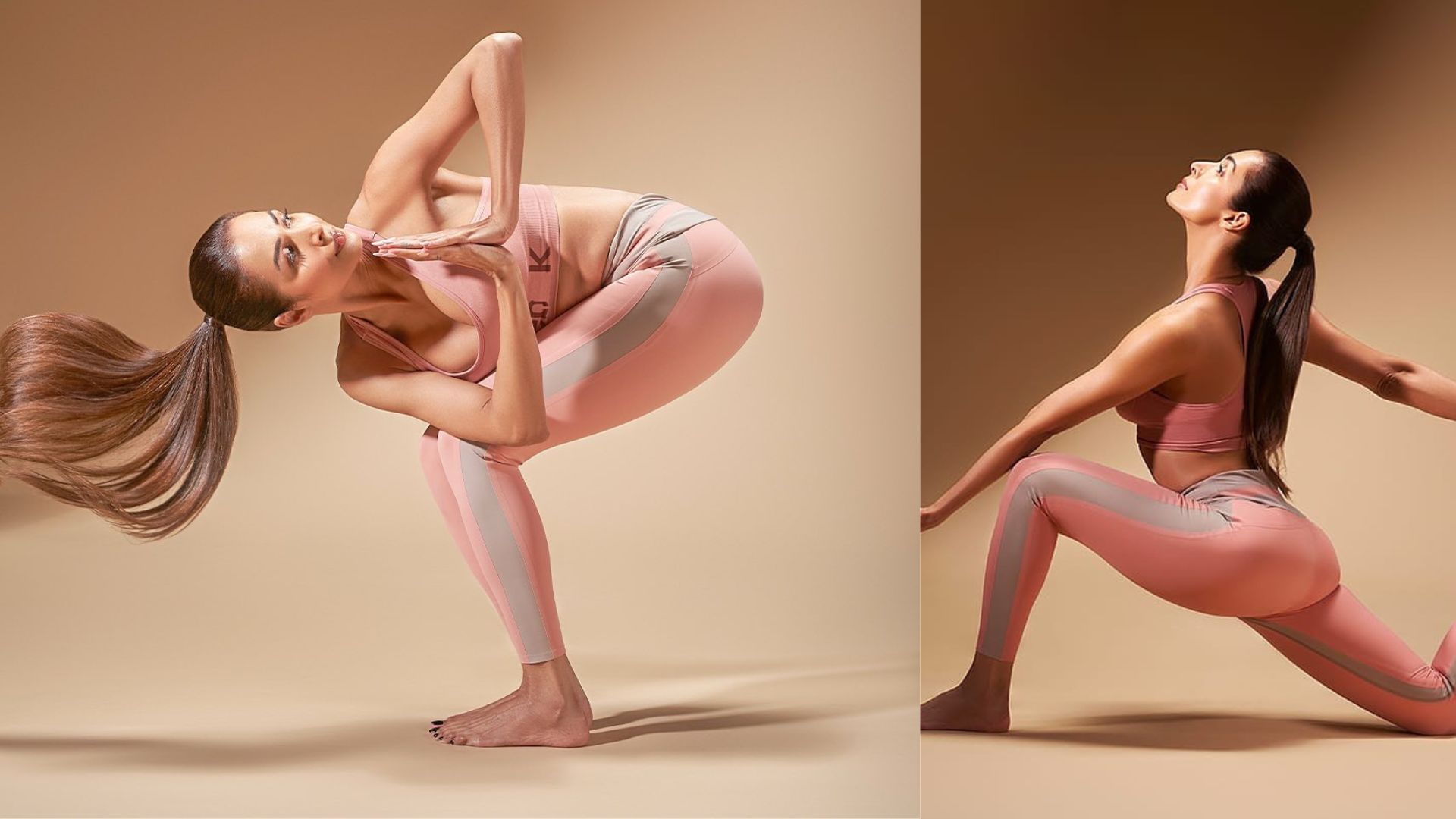
Discover Yoga Mastery! Explore 10 expert poses that calm your mind, ease stress, and boost flexibility for a stronger, more balanced you.
Feeling always stressed out and stiff?
In today’s post-pandemic era of working from home and having things within the reach of our fingertips, our bodies often take a back seat, becoming rustier by the day.
The solution lies in an ancient tradition: Yoga. Rooted deeply in our heritage, Yoga offers a powerful tool to restore balance to our fast-paced lives.
Discover the transformative benefits of traditional yoga poses for stress relief and flexibility in our comprehensive guide.
As the Bhagwat Geeta says, ‘Yoga is the journey of the self, through the self, for the self.’
So, roll out your mat and let each pose guide you on the path to a healthier you.
Benefits of Yoga

- Yoga emphasizes deep breathing(pranayam) and meditation, activating the body’s relaxation response, lowering stress hormone levels and helping us foster mental clarity and calmness.
- Yoga bends and strengthens, quiets the mind and awakens the spirit. Each session transforms stress into peace, chaos into clarity and balance into life.
10 Best Beginner-Friendly Yoga Poses

So, let’s embark on the journey of better mental and physical health with some easy yoga poses.
1. Child’s Pose (Balasana)
Balasana yoga pose, or the child’s pose in yoga, promotes relaxation, stretches the back and hips, calms the mind, and can alleviate stress and fatigue by fostering a sense of peace and tranquility.
Here’s How to do the Child’s Pose in 4 Simple Steps:
- It involves kneeling on the mat, big toes touching, and knees wide apart.
- Sit back on your heels, exhale, and lower your torso between your thighs.
- Stretch your arms forward or alongside your body with palms facing up.
- Rest your forehead on the mat, breathe deeply, and hold for relaxation.
2. Corpse Pose (Savasana)
Savasana induces deep relaxation, reduces stress, calms the mind, enhances mental clarity, promotes healing, lowers blood pressure, relieves fatigue, and revitalizes the body for overall well-being and rejuvenation.
Here’s How to do the Corpse Pose in 4 Simple Steps:
- Savasana is done by lying flat on your back, legs extended, arms by your sides, palms facing up.
- Close your eyes, relax your entire body, and focus on slow, deep breathing.
- Let go of tension in muscles, thoughts, and emotions.
- Stay in this rejuvenating pose for relaxation and meditation.
3. Cat-Cow Pose (Marjaryasana-Bitilasana)
Cat-Cow Pose benefits include improving spinal flexibility, warming up the spine, massaging organs, enhancing circulation, and relieving stress, making it beneficial for overall spinal health and flexibility.Ideal for warming up or as a gentle flow in yoga practice.
Here’s How to do the Cat-cow Pose in 4 Simple Steps:
- It involves starting on your hands and knees.
- Inhale for cow pose, arching back, lifting chest and tailbone.
- Exhale into cat pose, rounding the spine, tucking chin.
- Repeat fluidly to stretch the spine, aiding flexibility and relieving tension.
4. Forward Fold (Uttanasana)
Uttanasana (Standing Forward Bend) benefits include stretching the hamstrings, calming the mind, relieving stress, improving digestion, and stimulating the liver and kidneys, promoting overall flexibility and relaxation.
Here’s how to do the standing forward fold:
- Start with feet hip-width apart, exhale, and fold forward from hips, keeping the spine straight.
- Reach your hands towards the floor or grasp your legs.
- Relax your head and neck, and deepen the stretch with each exhale.
5. Legs Up the Wall Pose (Viparita Karani)
Legs Up the Wall Pose (Viparita Karani) benefits include reducing swelling and fatigue in the legs, calming the nervous system, improving circulation, relieving lower back tension, and promoting relaxation and sleep quality.
Here’s how to do the legs up the wall pose:
- Lie on the back near a wall, and extend your legs up along the wall.
- Rest arms by sides, palms facing up.
- Close your eyes, relax your body and breathe deeply.
- Hold for several minutes for relaxation and rejuvenation.
6. Downward Facing Dog (Adho Mukha Svanasana)
Downward Facing Dog Pose (Adho Mukha Svanasana) benefits include stretching the spine, shoulders, and hamstrings, improving circulation, strengthening arms and legs, relieving stress, and enhancing overall body awareness and posture.
Here’s how to do the downward facing dog pose:
- Start on hands and knees, tuck toes.
- Lift hips towards the ceiling, forming an inverted V shape.
- Hands shoulder-width apart, feet hip-width.
- Press palms into the mat, heels towards the floor.
7. Cobra Pose (Bhujangasana)
Cobra Pose (Bhujangasana) benefits include strengthening the spine, improving posture, stretching the chest, shoulders, and abdomen, stimulating abdominal organs, relieving stress, and enhancing flexibility in the back and neck.
Here’s how to do the cobra pose:
- Lie on your stomach, legs extended, tops of feet on the mat.
- Place hands under shoulders, elbows close to body.
- Inhale, press palms into the mat, lift the chest off the ground.
- Keep elbows slightly bent, shoulders away from ears.
- Hold, breathe deeply, and slowly release back down.
8. Triangle Pose (Trikonasana)
Trikonasana (Triangle Pose) benefits include stretching and strengthening legs, hips, and spine, improving balance, opening chest and shoulders, stimulating abdominal organs, enhancing digestion, and promoting overall flexibility and stability.
Here’s how to do the trikonasana :
- Stand with feet wide apart, right foot pointing forward and left foot turned slightly inward.
- Extend arms out to sides at shoulder height.
- Reach right arm forward, hinge at hip, and lower right hand to right shin or floor.
- Extend your left arm toward the sky, gaze up or down.
- Hold, breathe deeply, and switch sides.
9. Pigeon Pose (Eka Pada Rajakapotasana)
Pigeon Pose (Eka Pada Rajakapotasana) benefits include stretching hip flexors, increasing hip flexibility, relieving tension in lower back and hips, improving posture, and promoting relaxation and mindfulness through deep breathing.
Here’s how to do the pigeon pose :
- Start in a tabletop position.
- Bring right knee forward toward right wrist, extend left leg straight back.
- Lower hips toward the mat, keeping spine straight.
- Slide right foot toward left hip.
- Hold, breathe deeply, and switch sides.
10. Butterfly Pose (Badha Konasana)
Butterfly Pose (Badha Konasana) benefits include opening the hips and groin, stretching inner thighs and knees, improving flexibility, stimulating abdominal organs, relieving stress, and preparing the body for meditation and relaxation.
Here’s how to do the butterfly pose:
- Sit with legs extended.
- Bend knees, bring soles of feet together, heels toward pelvis.
- Hold feet with hands, open knees wide.
- Lengthen spine, engage core.
- Inhale deeply, exhale while gently folding forward.
- Hold, breathe deeply, and slowly release.

Conclusion
- Yoga is a practice that nourishes the soul, unites mind and body, and empowers individuals to thrive in harmony with themselves and the world.
- So, align your body and elevate your mind with yoga. The holistic magic of yoga will definitely leave you in awe. 🙂
FAQs Related to Importance of Yoga
How is yoga important for students?
Yoga enhances students’ focus, reduces stress, and improves physical health through postures and breathing exercises. It cultivates mental clarity, discipline, and emotional balance, essential for academic performance and overall well-being
What type of yoga burns the most fat?
Certain types of yoga that emphasize vigorous, continuous movement and strength-building postures tend to burn more calories and fat. These include styles like Ashtanga, Power Yoga, and Bikram (Hot) Yoga, which elevate heart rate and metabolism during practice.
What is the most effective yoga?
The effectiveness of yoga varies based on individual goals. For strength and flexibility, Power Yoga and Ashtanga are excellent. For relaxation and stress relief, Yin and Restorative Yoga are beneficial. Ultimately, the most effective yoga depends on personal needs and preferences.
Which yoga has the most benefits?
Hatha yoga, known for its gentle approach integrating postures (asanas), breath control (pranayama), and meditation, offers diverse benefits. It enhances flexibility, strength, mental clarity, and overall well-being, making it accessible and beneficial for a wide range of practitioners.
Can I get clear skin by yoga?
Yoga can contribute to clearer skin by reducing stress, improving circulation, and promoting detoxification through certain poses and breathing techniques. However, it’s typically combined with a balanced diet and skincare regimen for optimal results.
